7 Common ADU Mistakes Homeowners Make (And How to Avoid Them)
Building an Accessory Dwelling Unit (ADU) is one of the most effective ways to add usable space, create rental income, or support multi-generational living. But like any construction project, success starts long before the first shovel hits the ground.
In our experience, most challenges don’t come from construction itself—they come from decisions made early in the planning phase. The good news? With the right approach, many of these issues can be avoided entirely.
Quick Answer
Most ADU challenges stem from incomplete planning or delayed decision-making. Taking the time to evaluate your property, define a realistic budget, and establish a clear plan upfront can help prevent costly delays and keep your project on track.
Mistake #1: Focusing Only on Construction Costs
It’s common to start budgeting based on construction alone—but that’s only part of the picture.
A complete ADU project typically includes:
- Design and architectural plans
- Structural engineering
- Energy calculations
- Permit and city fees
- Utility connections
- Site preparation
Looking at the full scope early helps set realistic expectations and prevents budget surprises later on.
Mistake #2: Choosing the Wrong ADU Size
Bigger isn’t always better.
The right ADU size should reflect how the space will actually be used—not just how much square footage you can build. Factors like budget, lot size, and long-term goals should guide the layout.
A well-designed smaller unit often performs better than a larger space that isn’t optimized.
Mistake #3: Skipping the Property Evaluation
No two properties are the same.
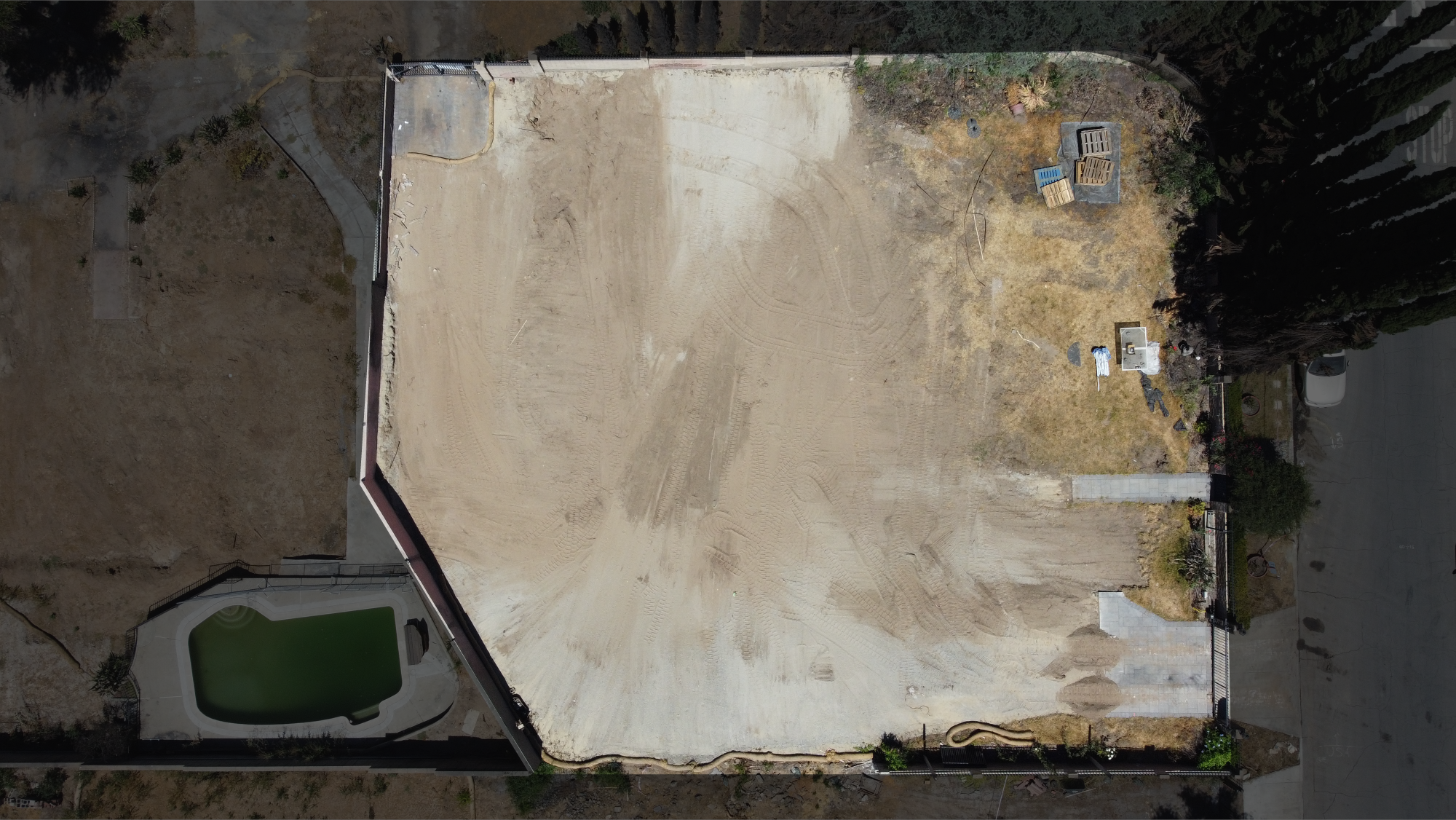
Things like lot layout, existing structures, utility locations, access points, and grading all play a role in what’s possible—and how smooth the process will be.
Evaluating your property early helps uncover both opportunities and potential challenges before time and money are invested.
Mistake #4: Making Changes During Construction
Changes during construction can quickly become expensive.
Once work begins, even small adjustments can lead to delays, added costs, and coordination issues. Finalizing layouts, materials, and key design decisions ahead of time helps keep the project moving efficiently.
Mistake #5: Underestimating the Permitting Process
Permitting is rarely as fast as homeowners expect.
Most ADU projects go through multiple rounds of review, comments, and revisions before approval. Understanding this upfront helps set realistic timelines and reduces frustration along the way.
Mistake #6: Prioritizing Price Over Experience
Choosing the lowest bid can be tempting—but it’s not always the best decision.
Experience, communication, and project coordination often have a bigger impact on the outcome than price alone. Working with a knowledgeable team can help avoid costly mistakes and keep the project running smoothly.
Mistake #7: Planning Only for Today’s Needs
An ADU is a long-term investment.
While it may start as a rental unit or space for family, your needs may change over time. Designing with flexibility in mind helps ensure the space remains functional and valuable for years to come.
How to Set Your Project Up for Success
The most successful ADU projects start with a strong plan.
Here’s what we recommend:
- Define clear goals for how the space will be used
- Evaluate your property early
- Build a complete, realistic budget
- Finalize major decisions before construction
- Understand the permitting timeline
- Work with an experienced team
Taking these steps early can help reduce surprises and create a smoother experience from start to finish.
Frequently Asked Questions
What is the biggest mistake homeowners make when building an ADU?
Starting without a clear understanding of the property, budget, and overall scope is one of the most common issues we see.
Should I finalize my design before construction begins?
Yes. Locking in your design early helps minimize delays, change orders, and unexpected costs.
Why does the permitting process take so long?
Most projects require multiple rounds of review and revisions before approval. Each step ensures the project meets local codes and regulations.
Can early planning reduce project costs?
Absolutely. Identifying potential challenges early often prevents costly changes during construction.
Final Thoughts
Every ADU project is unique, but many of the most common challenges can be avoided with the right preparation. Taking the time to plan, understand your property, and set realistic expectations can make a significant difference in the overall experience.
At AV Builders, we guide homeowners throughout the Greater Los Angeles area through every stage of the ADU process—from planning and design to permitting and construction—so they can move forward with clarity and confidence.
Related Posts


Recent Works